Source Aromatherapy Top Filling Mini Humidifier for Home, Hotel, and Office
Find and compare 30 Aromatherapy Top Filling Mini Humidifier options for home, hotel, and office use. Evaluate features like USB power, electric operation, and battery modes to select the right device for your sourcing needs.
Key considerations
Products List


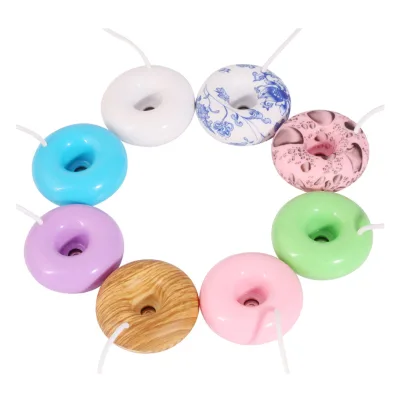
Miniature Air Purification Aroma Machine Air Conditioner Aroma Humidifier
$2.57 - $2.91
MOQ: 1200 Pieces


USB Mini Humidifier Air Purifier Essential Oil Fragrance Aroma Diffuser
$11.42 - $16.97
MOQ: 200 Pieces

6L Easy Top Filling Ultrasonic Cool Mist Humidifier Atomizer Aroma Diffuser
$25.00 - $40.00
MOQ: 100 Pieces




Comprehensive Sourcing Guide
Aromatherapy Top Filling Mini Humidifier Sourcing Guide
Sourcing mini humidifiers with top-filling capabilities requires a nuanced understanding of the diverse technical configurations available in the current market. The category encompasses a wide spectrum of devices, ranging from simple battery-operated tabletop units to more complex electric models featuring advanced lighting effects and digital controls. Buyers must navigate this variety by clearly defining their target use case, whether it is for residential bedrooms, hotel amenities, or commercial office spaces. The observed product landscape includes units powered by USB, standard AC electricity, or disposable batteries, each presenting distinct logistical and operational implications for the end-user.
A critical aspect of this sourcing process is recognizing the heterogeneity of the product listings. While the core keyword suggests a specific form factor, the actual supply base includes variations in material composition, such as ABS plastic combined with PET bottles or salt stone accents. These material differences directly impact durability, aesthetic appeal, and manufacturing costs. Furthermore, the presence of features like 3D flame effects or timing functions adds layers of complexity to the sourcing strategy, requiring buyers to verify compatibility with their brand’s quality standards and customer expectations before committing to volume orders.
Product Scope and Observed Listing Signals
The current market for mini humidifiers exhibits a broad price range, typically observed between $0.79 and $40 USD, reflecting significant variation in component quality and feature sets. Minimum Order Quantities (MOQs) also vary widely, starting from as low as one unit for sampling up to 1,200 units for bulk production runs. This disparity indicates that suppliers cater to both small-scale private labelers and large-volume distributors. Buyers should interpret these signals as indicators of supplier flexibility; lower MOQs often correlate with higher per-unit costs, while larger orders may unlock economies of scale but require stricter adherence to customization specifications.
Observed product attributes reveal a strong emphasis on user convenience and aesthetic integration. Common features include top-filling mechanisms, which simplify refilling and reduce spillage risks, and compact dimensions suitable for desktop or bedside placement. Colors such as white, beige, and matcha green are prevalent, suggesting a market preference for neutral, calming tones that blend into home or hotel environments. Additionally, the availability of customization options allows buyers to tailor product colors or packaging to their specific brand identity, making this category highly suitable for private labeling and promotional merchandise.
Technical Specifications to Verify
Power supply requirements are a primary technical differentiator among mini humidifiers. Listings indicate options for USB power, 110-240V AC input, and battery operation using 1.5V size 5 cells. Buyers must verify the operating voltage and current draw to ensure compatibility with their target market’s electrical standards. For instance, models operating at 5.0V/1A or 12V/1A require specific power adapters, while USB-powered units offer greater portability. Confirming the power type early in the sourcing process prevents costly mismatches between the product and the end-user’s power infrastructure.
Water capacity and spray volume are critical performance metrics that influence user satisfaction. Observed water tank capacities range from 90ml to 200ml, with spray volumes varying from 0.0277ml per 10 seconds to 2ml per hour. These specifications determine the runtime and mist output of the device. Buyers should request detailed technical sheets to understand the relationship between tank size and consumption rate. Additionally, verifying the control mode, whether button-based, digital, or timer-enabled, ensures the user interface aligns with the desired level of sophistication and ease of use.
Compliance and Safety Documentation
Electrical safety standards are paramount for AC-powered humidifiers. Some listings reference implementation standards such as G84706.1-2005, which may pertain to specific regional safety requirements for household appliances. Buyers must verify the applicable certification for their target market, such as UL for the United States, CE for Europe, or CCC for China. Ensuring that the supplier can provide valid test reports from accredited laboratories is essential to mitigate liability risks and ensure product safety. This verification step is particularly crucial for devices with higher power consumption, such as those rated at 15.5W.
Material safety and construction quality also require careful scrutiny. Products are often constructed from ABS plastic, PP, or combinations with PET bottles and salt stone. Buyers should confirm that all materials are food-grade or non-toxic, especially since these devices disperse moisture into the air. Additionally, verifying the presence of a warranty, typically one year for electric models, provides a layer of protection against manufacturing defects. Documentation regarding the product standard, including the inclusion of accessories like charging cables, hooks, and manuals, should be explicitly stated in the contract to avoid disputes over missing components.
Cost Drivers and Commercial Terms
Packaging dimensions and weight are significant factors in determining shipping costs. Observed packaging sizes vary from compact boxes measuring 15.515.519cm to larger cartons of 65X57X170cm. The number of units per carton, such as 12PCS/CTN or 100 units, directly impacts palletization efficiency and freight expenses. Buyers should calculate the volumetric weight versus actual weight to optimize logistics. Understanding the packing configuration helps in forecasting landed costs accurately, especially when importing from regions like Jiangsu, China, where shipping routes and carrier rates can fluctuate.
Customization and branding services add value but also influence the final cost structure. Available customization options allow for tailored colors and packaging, which may incur setup fees or require higher MOQs. Buyers should negotiate clear terms regarding these services, including the cost of mold modifications or printing plates. Additionally, clarifying the warranty terms and after-sales support policies is essential. A one-year warranty is common, but buyers should verify the process for handling defective units, including whether replacements are shipped separately or deducted from future orders.
Supplier Qualification and Quality Control
Verifying the supplier’s origin and manufacturing capabilities is a foundational step in qualification. Many products originate from China, with specific mentions of Jiangsu as a production hub. Buyers should assess the supplier’s factory audit reports to ensure they meet international quality management standards. This includes evaluating their production lines for consistency, particularly for products with electronic components like digital controls or flame effect lighting. A robust quality control system minimizes the risk of batch failures and ensures that each unit meets the specified technical parameters.
Quality control protocols should extend to incoming material inspections and final product testing. Buyers should request samples to verify the build quality, such as the fit of the ABS body and the clarity of the PET bottle. Testing the spray mechanism for clogging and the power supply for stability is crucial. Additionally, verifying the accuracy of the product net weight, which ranges from 135g to 0.9kg depending on the model, helps ensure that the supplier is not cutting corners on material usage. Establishing a clear acceptance criteria document before production begins aligns expectations and reduces the likelihood of disputes upon delivery.
Long-Term Procurement Checks
Continuous monitoring of product performance and customer feedback is essential for long-term success. Buyers should track return rates and customer complaints related to common issues such as leakage, short battery life, or malfunctioning timers. This data can inform future design iterations and supplier negotiations. For instance, if customers frequently report issues with the top-filling mechanism, buyers can work with suppliers to improve the seal design or provide clearer usage instructions. Regularly reviewing warranty claims can also highlight systemic quality issues that need to be addressed at the manufacturing level.
Adapting to market trends and regulatory changes is another critical aspect of long-term procurement. As energy efficiency standards evolve, buyers may need to transition to more power-efficient models, such as those with lower wattage or USB-C connectivity. Additionally, staying informed about new materials or features, such as enhanced flame effects or improved mist diffusion, can provide a competitive edge. Building a strong relationship with suppliers allows for better visibility into their R&D efforts and ensures that buyers can access innovative products that meet emerging consumer demands.
FAQs
What power types are available for these humidifiers?
The products support USB, electric, and battery power types. Some models operate on 110-240V AC while others use 5V DC or two 1.5V batteries. This variety allows flexible usage in homes or hotels depending on your power source availability.
Can I customize the color of the humidifier?
Yes, customization is available for these units. Buyers can select from white, matcha green, or beige finishes. This option allows you to match the product to your specific branding or interior design requirements for retail or corporate use.
What is the water tank capacity for these devices?
Water tank capacities vary between 90ml and 200ml depending on the specific model. Some units feature a 180ml tank while others hold 90ml. This range supports different usage durations, from short tabletop sessions to longer continuous operation periods.
Which materials are used to construct the humidifier body?
The body is constructed from ABS, PP, or Salt Stone materials. The bottle component often uses PET plastic. These durable materials ensure safety and longevity while maintaining a lightweight profile suitable for portable or tabletop applications in various settings.
How does the lighting feature function on these units?
The devices feature 3D flame effects for visual ambiance. This lighting adds a decorative element to the humidification process. It operates alongside the mist output to create a relaxing atmosphere suitable for home environments or hotel rooms seeking a specific aesthetic.
What is the warranty period for these products?
A one-year warranty is provided for these humidifiers. This coverage protects against manufacturing defects during the initial year of use. Buyers should retain proof of purchase to validate the warranty claim if any functional issues arise within the specified period.
Can the humidifier operate with a timing function?
Both models with and without timing functions are available in the product range. Some units offer digital control for precise timing while others operate continuously. This flexibility allows buyers to choose the control mode that best fits their operational needs.